
Short courses / Field Notes Edition
Pedro Moura
All-on-XExtreme
Field notes · Clinical course
Learn it. See it. Perform it.Oral Surgery Field Notes, brought to life.
Take your full-arch surgery beyond conventional All-on-X. Three days of advanced techniques, guide design, model surgery and two live cases, with an optional fourth day, by application, where you operate on a patient.
Choose your format
Core course · book directly
3 days
20-22 Apr 2027
- Advanced full-arch techniques and case selection
- Freehand and guided surgery on models
- Design your own bone level guides at the computer
- Two live surgeries performed by Pedro Moura (you watch)
- Oral Surgery Field Notes book and guide-fabrication manual
Optional · by application
Day 4 · You operate
23 Apr 2027
- You perform surgery on a real patient
- Pedro Moura and the Foramen team beside you, step by step
- Tell us the case you want to do (from a conventional All-on-4 to zygomatic implants)
- If accepted, we agree the procedure, your role and the fee with you
Next edition20-23 Apr 2027LocationForamen HQ, PortoLanguageEnglish
Sheet 01 · The course
What isAll-on-X Extreme?
Learn palatal, pterygoid, trans-sinus, transnasal, vomer and zygomatic implant strategies, and understand the role of subperiosteal implants in the management of severe atrophy.
Explore each approach in depth: the anatomy that makes it possible, the findings that make it appropriate, the surgical steps and the restorative implications. Practise advanced implant placement freehand and with bone level guides, learn to design your own guides and watch Pedro Moura perform two live surgical cases.
Then take the next step: choose supervised clinical training and operate on real patients with us at Foramen Headquarters in Porto, Portugal.
How the course works
01Core course · three days
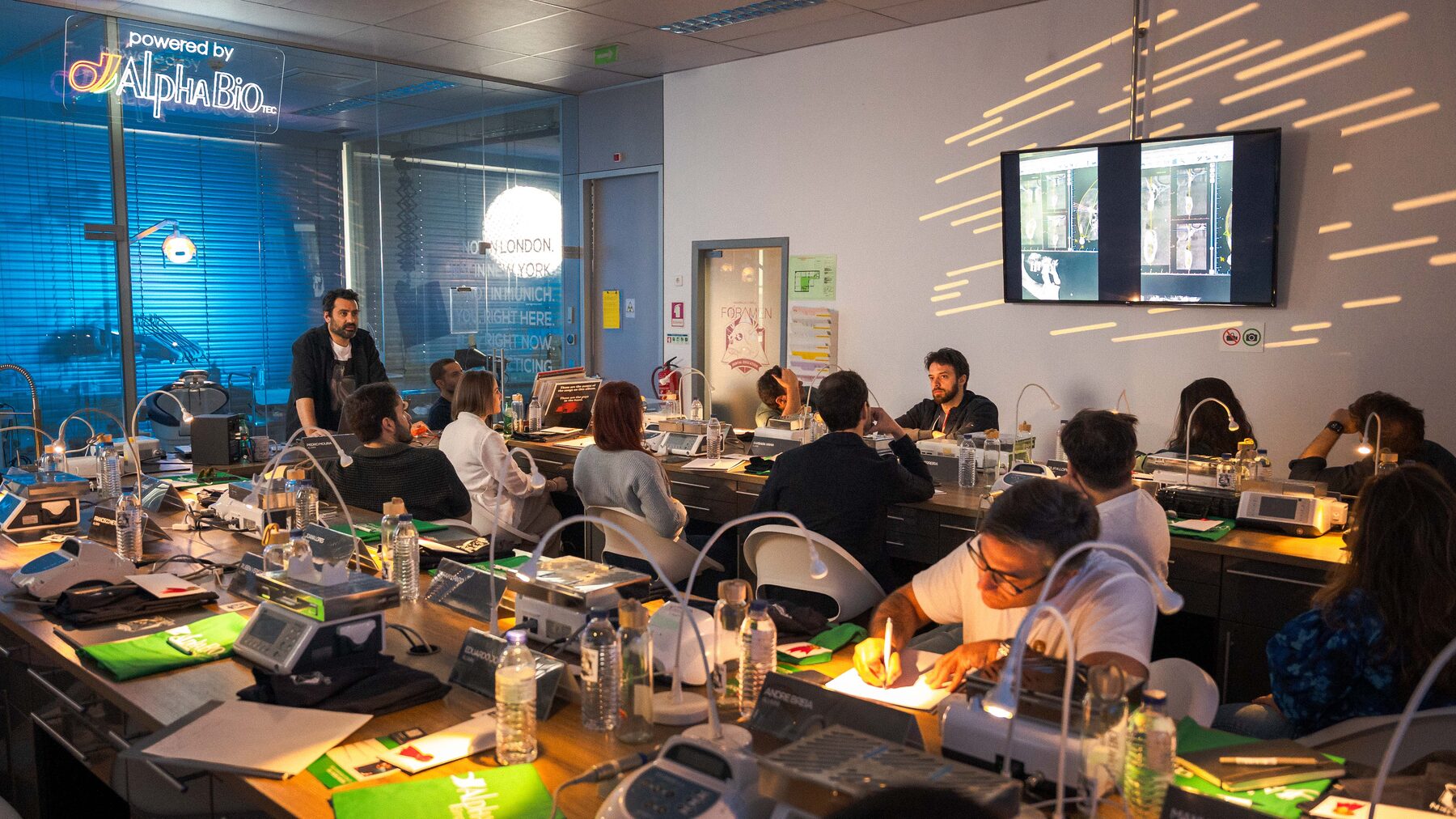
Advanced full-arch techniques, digital planning and guide design, freehand and guided model surgery, two planned live surgeries and the restorative workflow. You watch Pedro Moura operate; your own hands-on work is on models.
+Optional Day 4 · you operate
On 23 Apr 2027 you perform surgery on a real patient, with Pedro Moura and the Foramen team beside you. Only 6 places, by application: book the core course and send the Day 4 form further down this page.
Included for everyone
Your Oral Surgery Field Notes book and printed guide-fabrication manual, handed to you on arrival.
The book is included if you do not already own it.
Sheet 02 · Optional Day 4 · 23 Apr 2027
Operate with usin Porto
Perform an agreed full-arch procedure on a real patient with Pedro Moura and the Foramen team beside you.
On Day 4 you review the patient, analyse the anatomy and prepare the treatment plan together. Work through the surgery under direct, step-by-step supervision, using guides where appropriate, then discuss your execution, the decisions made and the postoperative and restorative plan.
How it works: Day 4 is by application. Book the three-day core course as normal and send the Day 4 application form. We review your clinical experience and, if you are accepted, agree the procedure, your operating role and the fee with you. Only 6 participants per edition.
The three-day core course is complete on its own, with model training and two live surgeries performed by Pedro Moura.
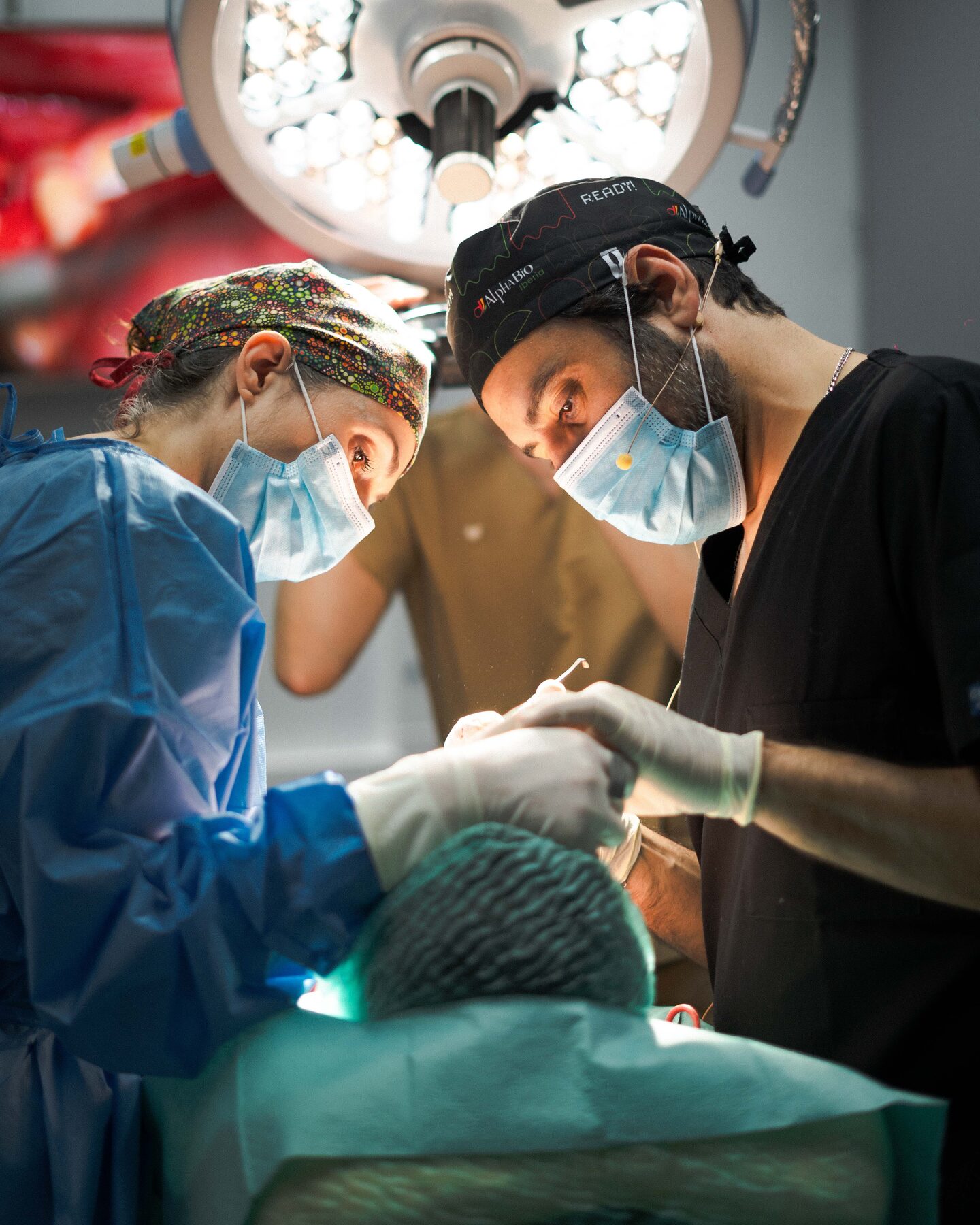
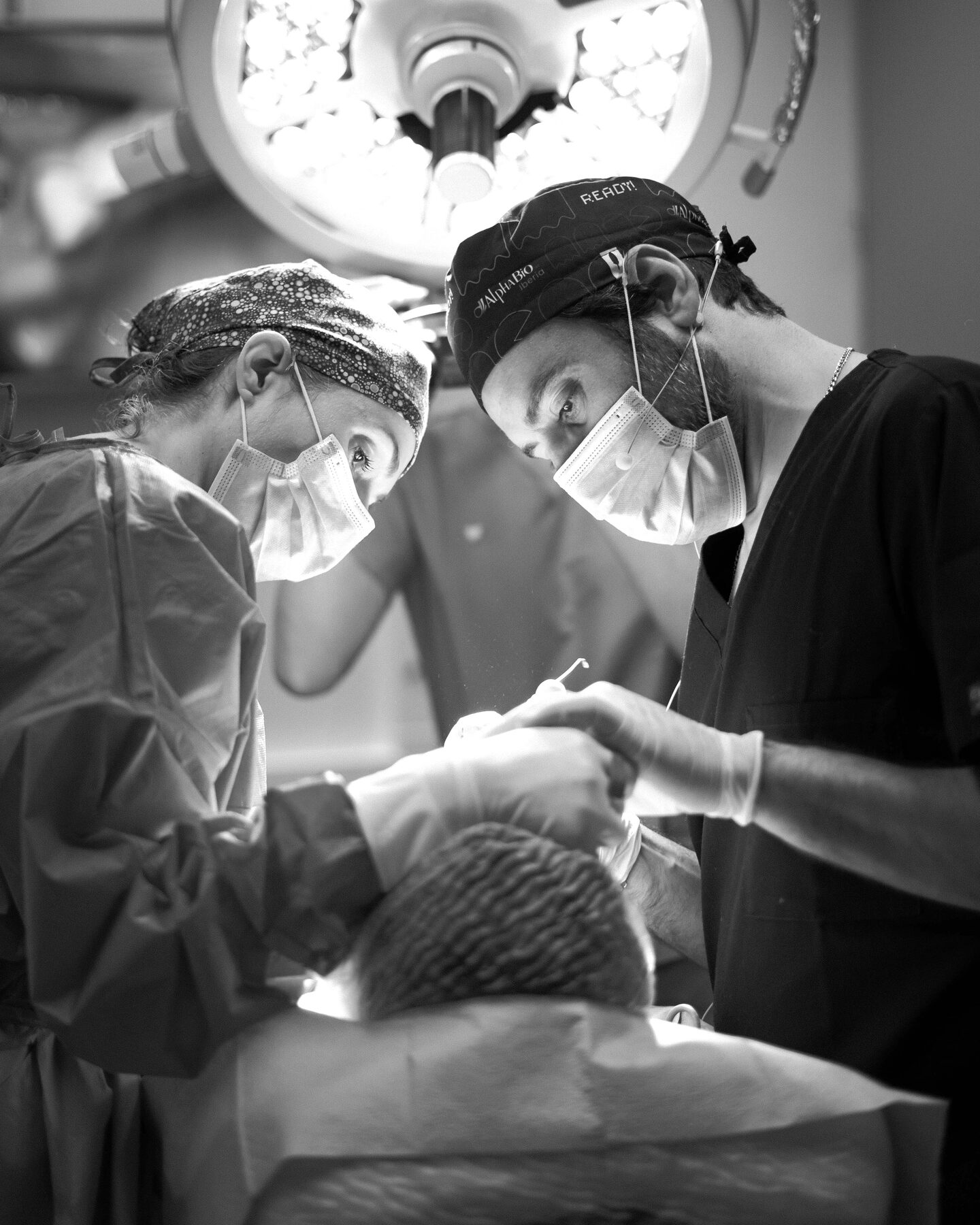
Fig. 02 · Full-arch surgery at Foramen HQ
Sheet 03 · The problem
When conventionalAll-on-X is no longer enough
You already understand conventional full-arch treatment. The next challenge is knowing how to approach a patient whose remaining anatomy requires a different solution.
This course connects those decisions to the techniques you need to understand and practise. Learn to read a demanding case, identify your options and build a plan that accounts for both the surgery and the prosthesis.
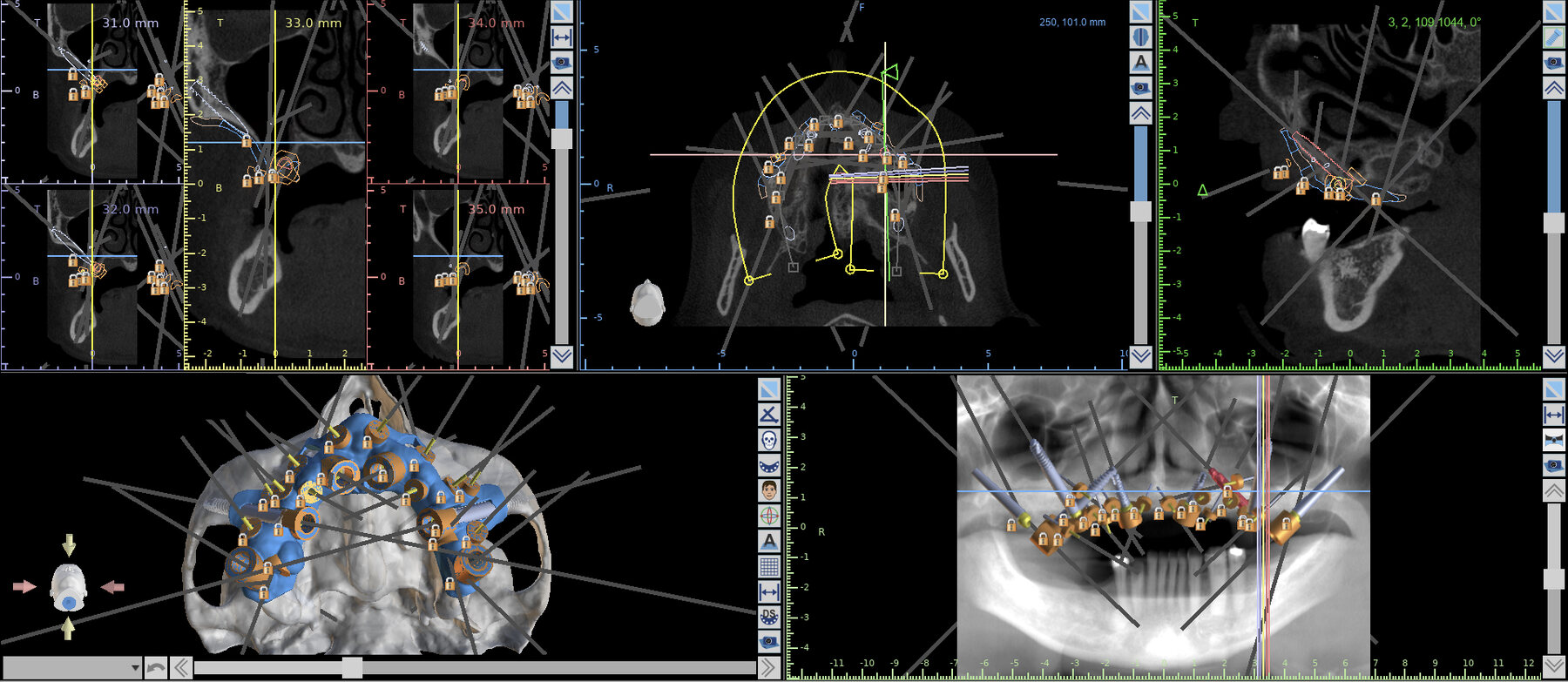
Fig. 03 · Reading a demanding case: CBCT and 3D plan
Q.1
Where can you find useful anchorage?
Q.2
Which implant trajectories are available?
Q.3
When should you combine approaches?
Q.4
How will those choices affect access, risk, implant emergence and the restoration?
Sheet 04 · Techniques
Understand the techniquesand the cases they belong to
Conventional All-on-X principles remain the reference throughout. Learn what changes as a case becomes more demanding, which principles remain consistent and when a different treatment pathway is appropriate.
Theory + model
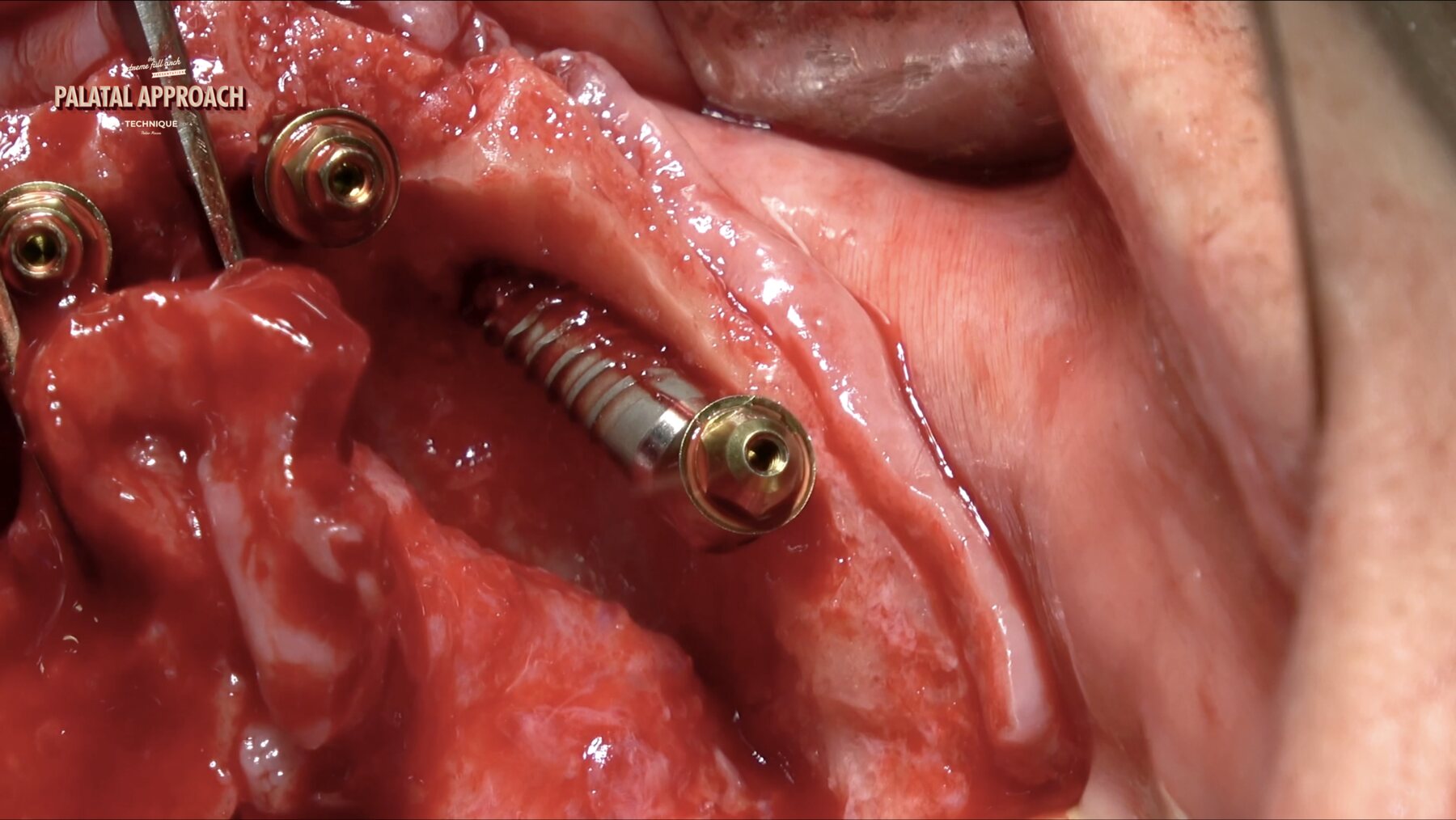
Palatal implants
Explore the available palatal bone, entry points and trajectories. Understand how access, implant position and emergence influence whether palatal anchorage is appropriate within the full-arch plan.
Theory + model
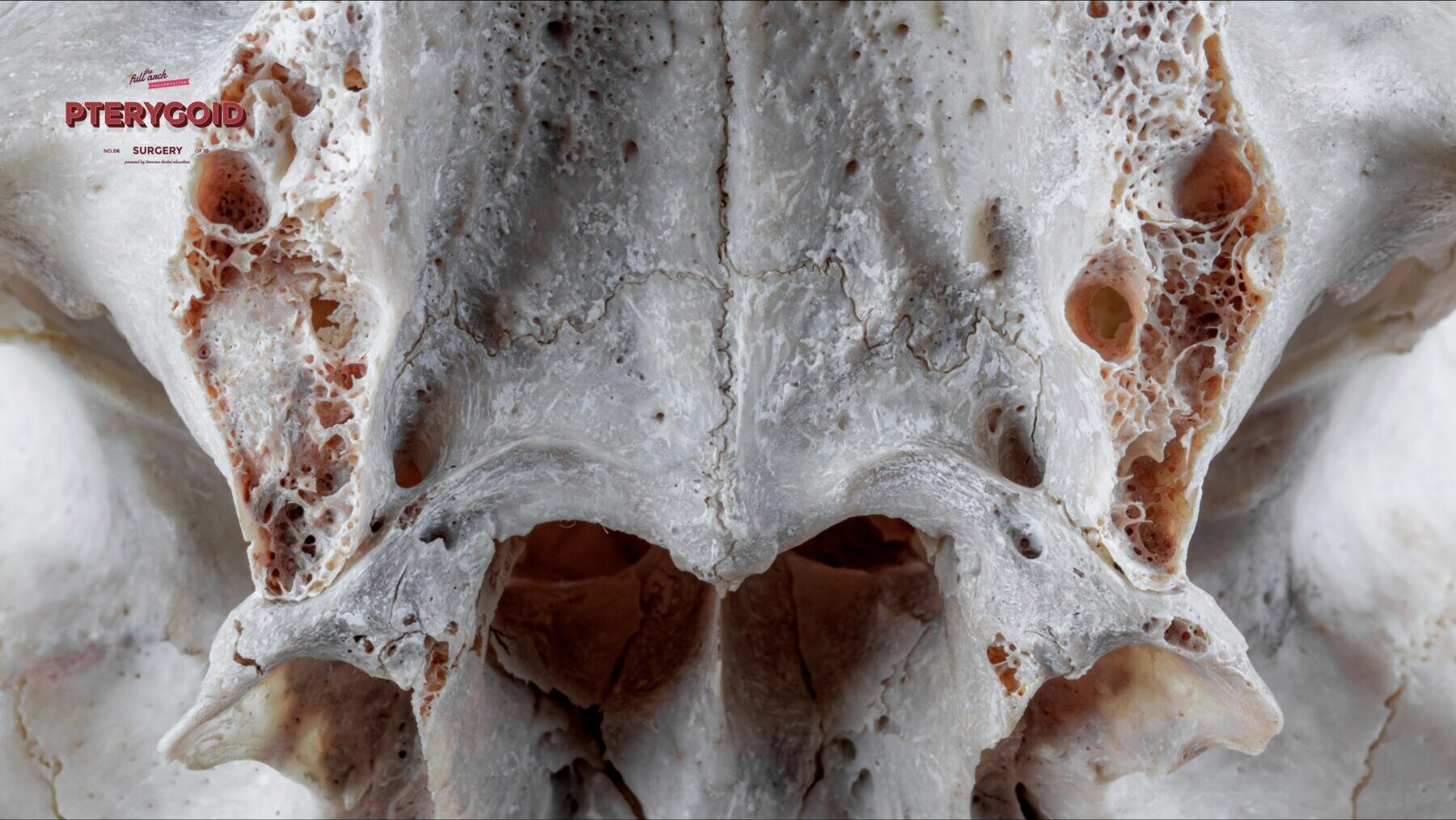
Pterygoid implants
Study the target anatomy, surgical access and implant trajectory. Connect posterior support to implant distribution across the arch and examine the challenges that affect planning and execution.
Theory + model
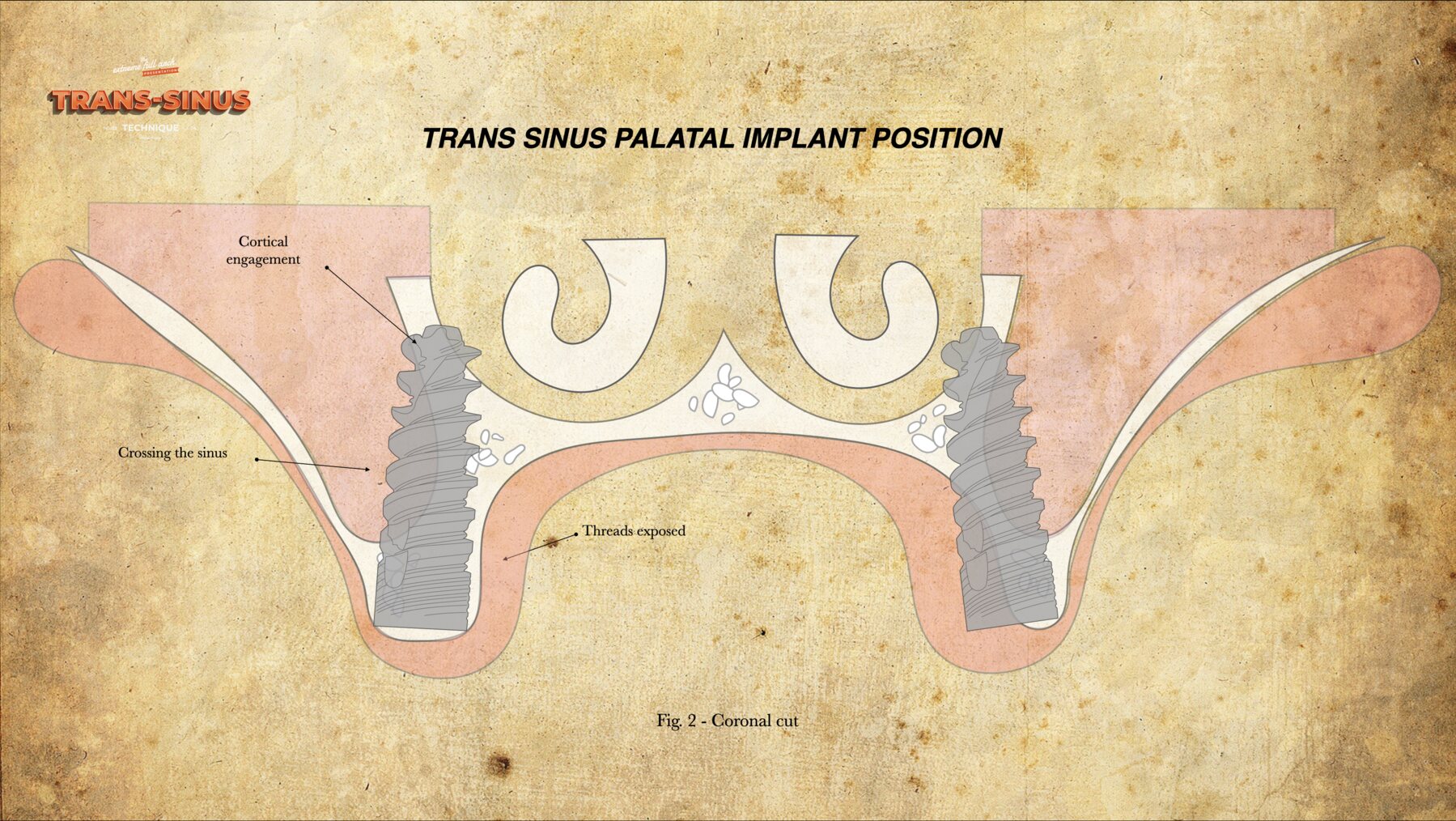
Trans-sinus implants
Relate sinus anatomy, the proposed implant path and the intended anchorage to the surgical sequence. Understand when a trans-sinus strategy fits the case and how its execution connects to the restorative objective.
Theory + model
Transnasal implants
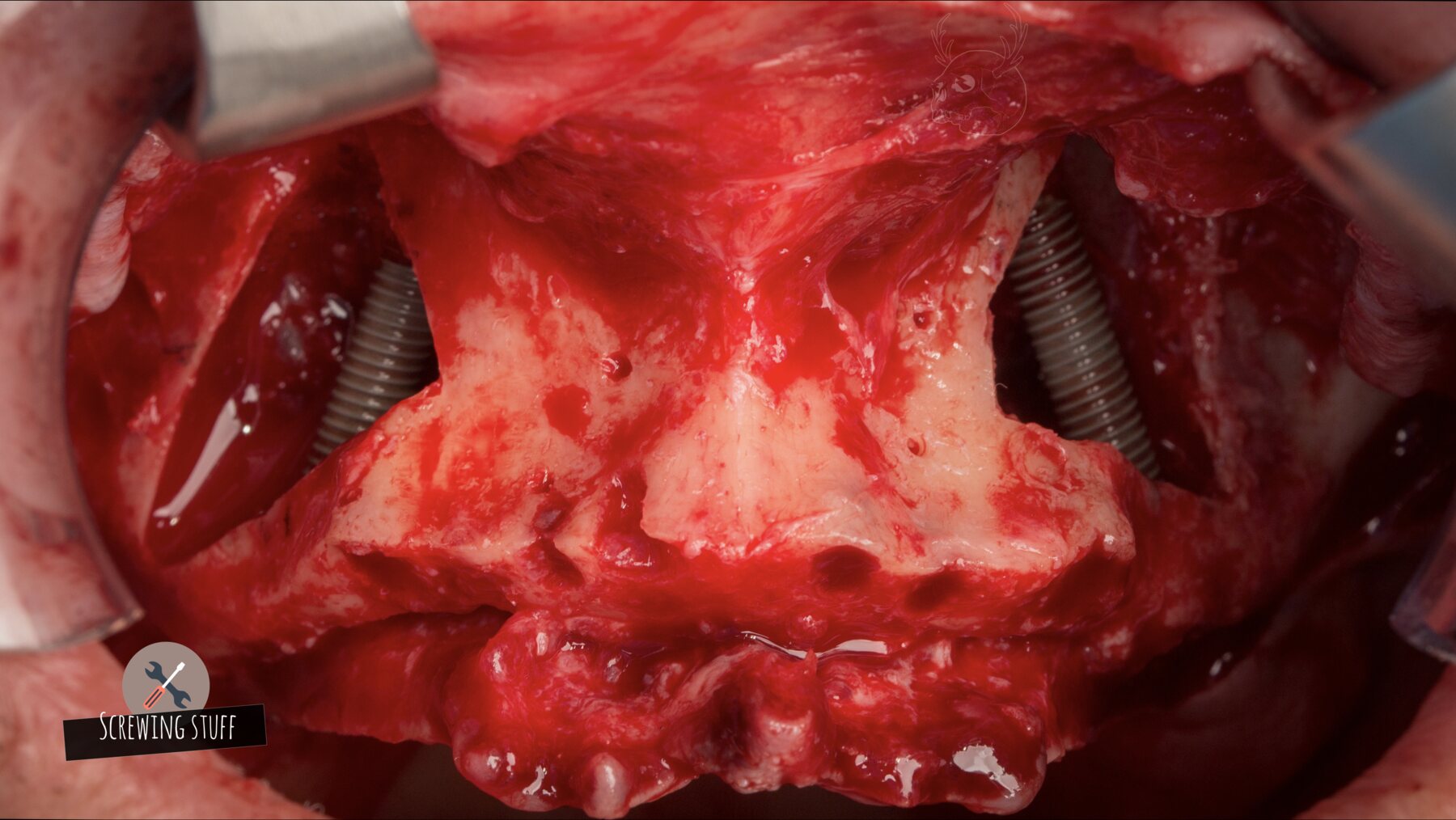
Examine the anatomical corridor, available anchorage and emergence. Work through the findings that influence selection, the operative requirements and the structures that must be considered during planning.
Clinical cases
Vomer anchorage
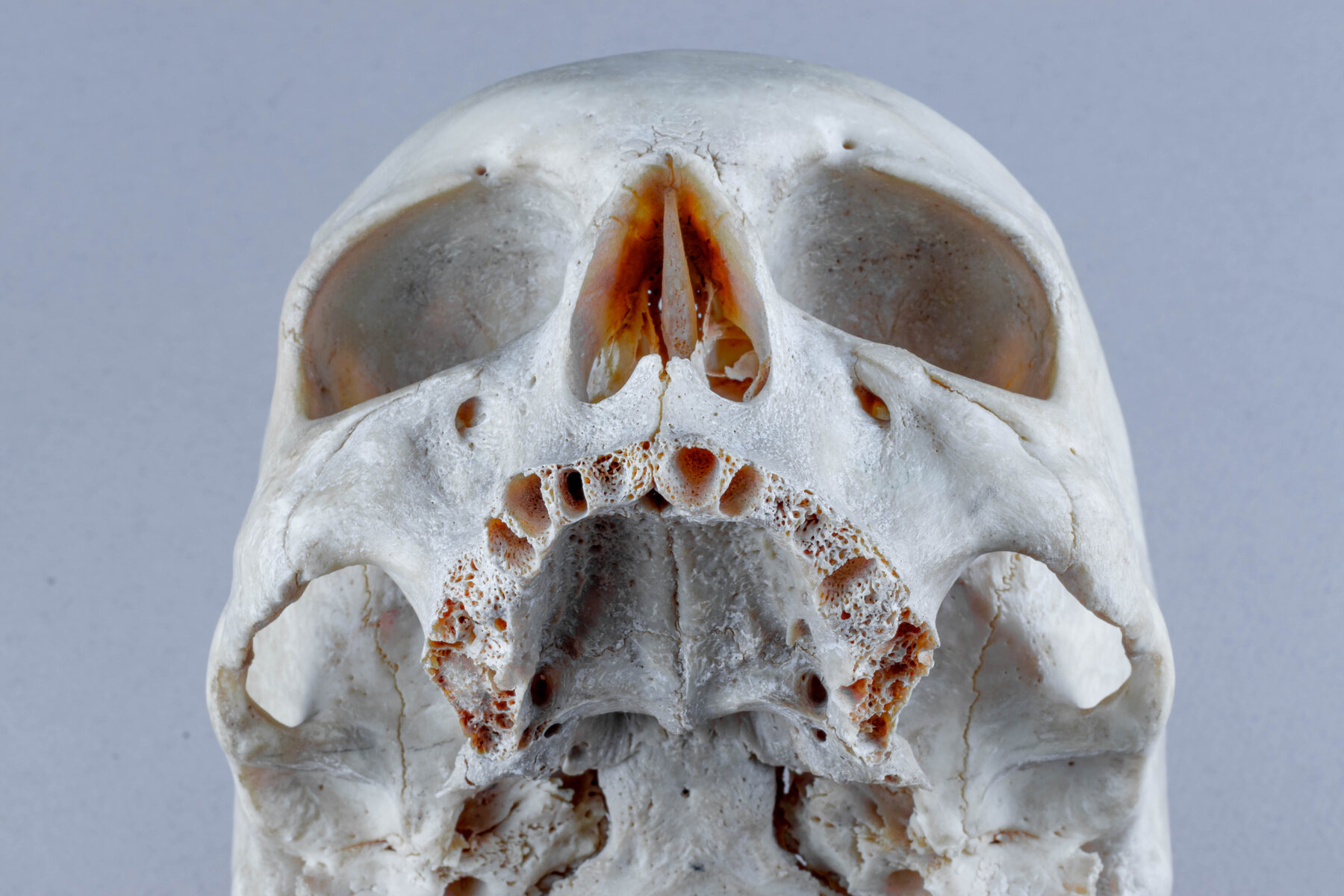
Explore the role of vomer anchorage through clinical cases, including the anatomical reasoning, intended use and limitations of the approach.
Theory + model
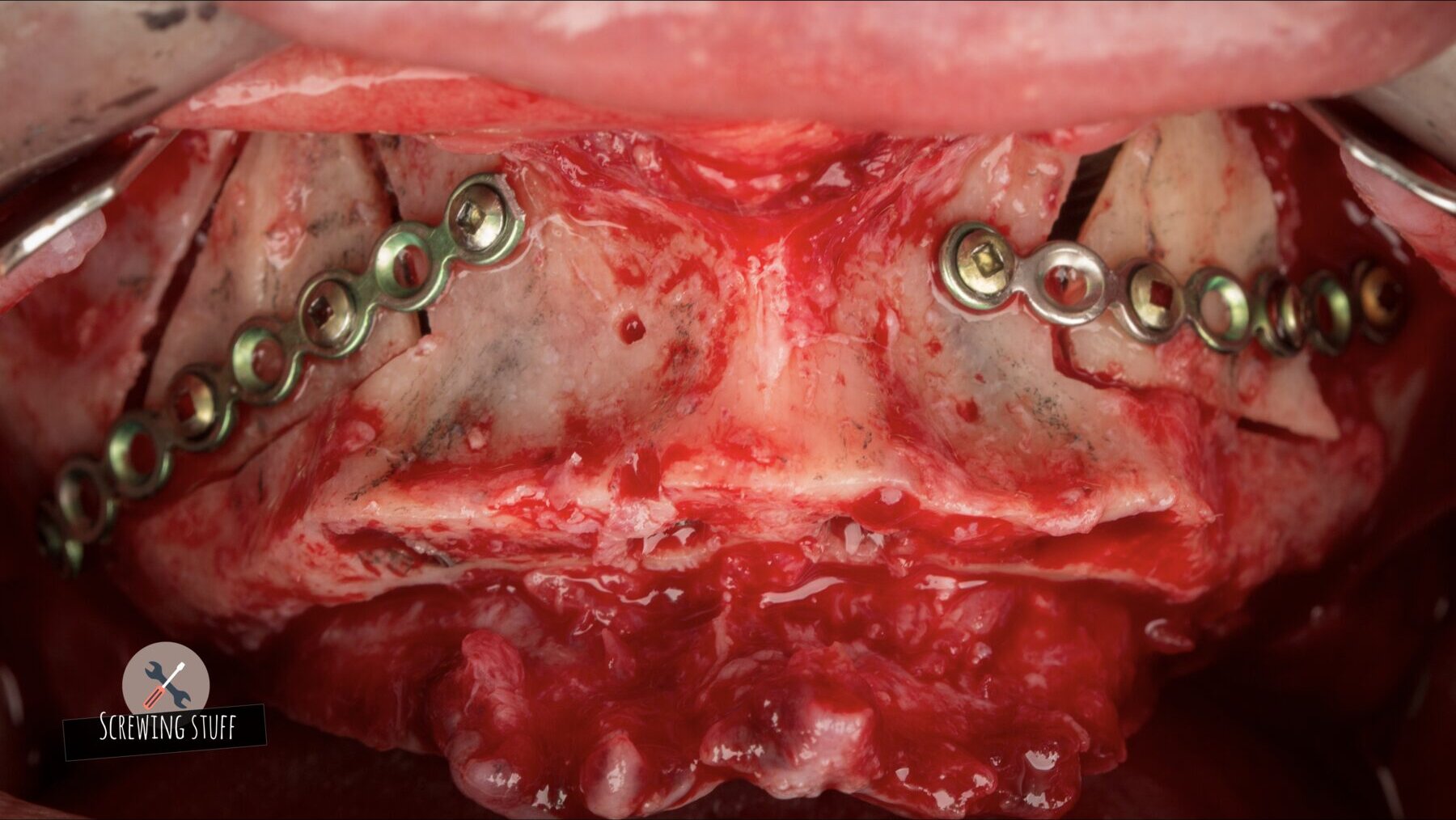
Zygomatic implants
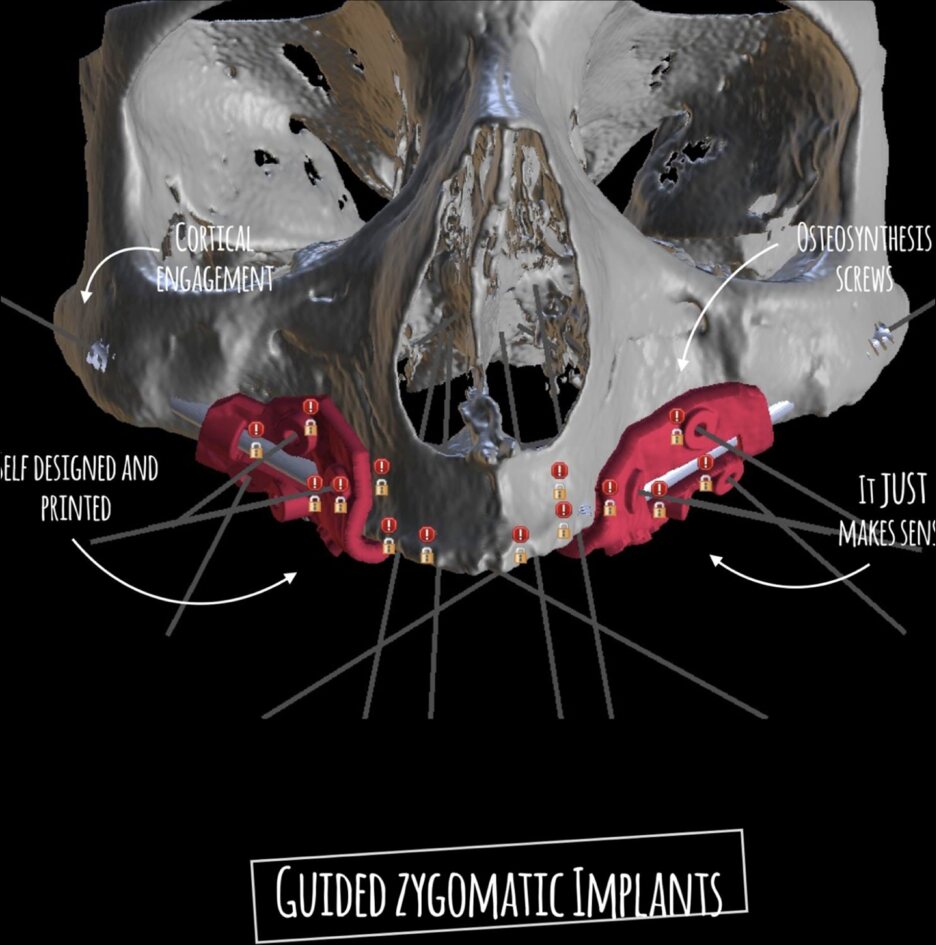
Examine zygomatic anatomy, implant configurations, surgical access and positioning. Connect the operative steps to sinus considerations, soft-tissue management and prosthetic requirements, and rehearse placement on models.
Clinical cases
Subperiosteal implants
Understand where subperiosteal implants may be considered, their planning and restorative requirements, and how they compare with other options for the severely atrophic arch.
Reference
Conventional All-on-X
The principles that stay constant as the case gets harder. Every advanced option is compared back to it.
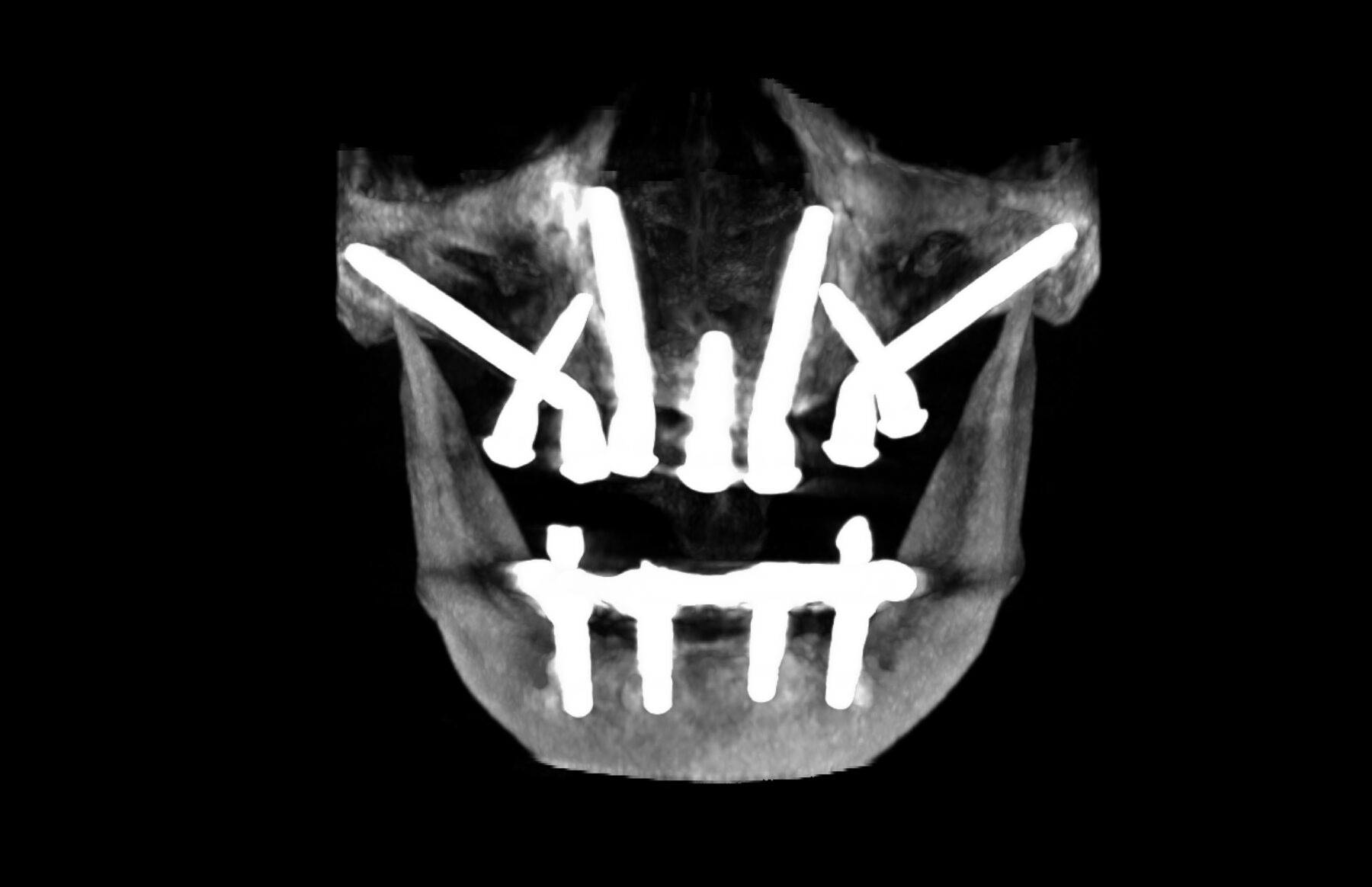
Fig. 05 · CBCT, zygomatic and pterygoid positions
Sheet 05 · Assessment
Read the anatomyand anticipate the problems
Use clinical assessment and imaging to identify the findings that change your treatment choices.
Examine the remaining bone, anatomical corridors, access limitations and restorative space. Understand why an approach may work in one patient and be unsuitable in another.
Risk assessment is integrated into every technique. Identify what could make the procedure difficult, what needs to be checked before operating and what alternatives should be prepared.
Know when to
ProceedModify the planStage treatmentSeek additional expertise
Sheet 06 · Digital workshop
Design your ownbone level guides
Learn the digital workflow behind the bone level guides used in Pedro’s clinical approach.
Work at the computer, follow the planning sequence and create your own guide design. Understand which anatomical references it should represent, how it should seat and what it is intended to guide.
Connect the design to the operative field: exposure, fit, instrument access and the checks required before use. Learn what the guide contributes and which decisions remain the surgeon’s responsibility.
The workshop gives you a practical workflow to develop in your own clinical practice, supported by a printed, step-by-step guide-fabrication manual.
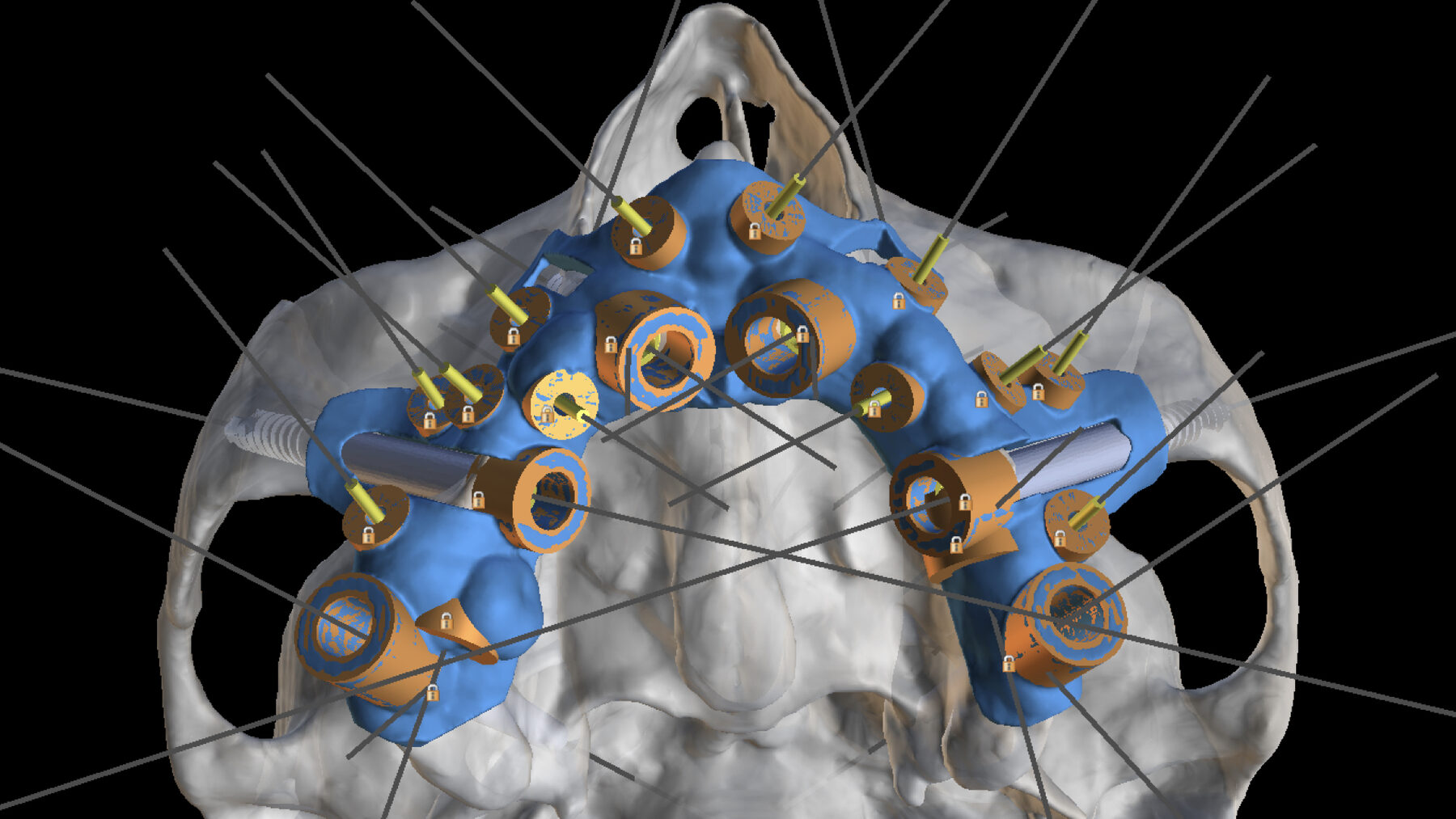
Fig. 06a · Bone level guides, full-arch plan
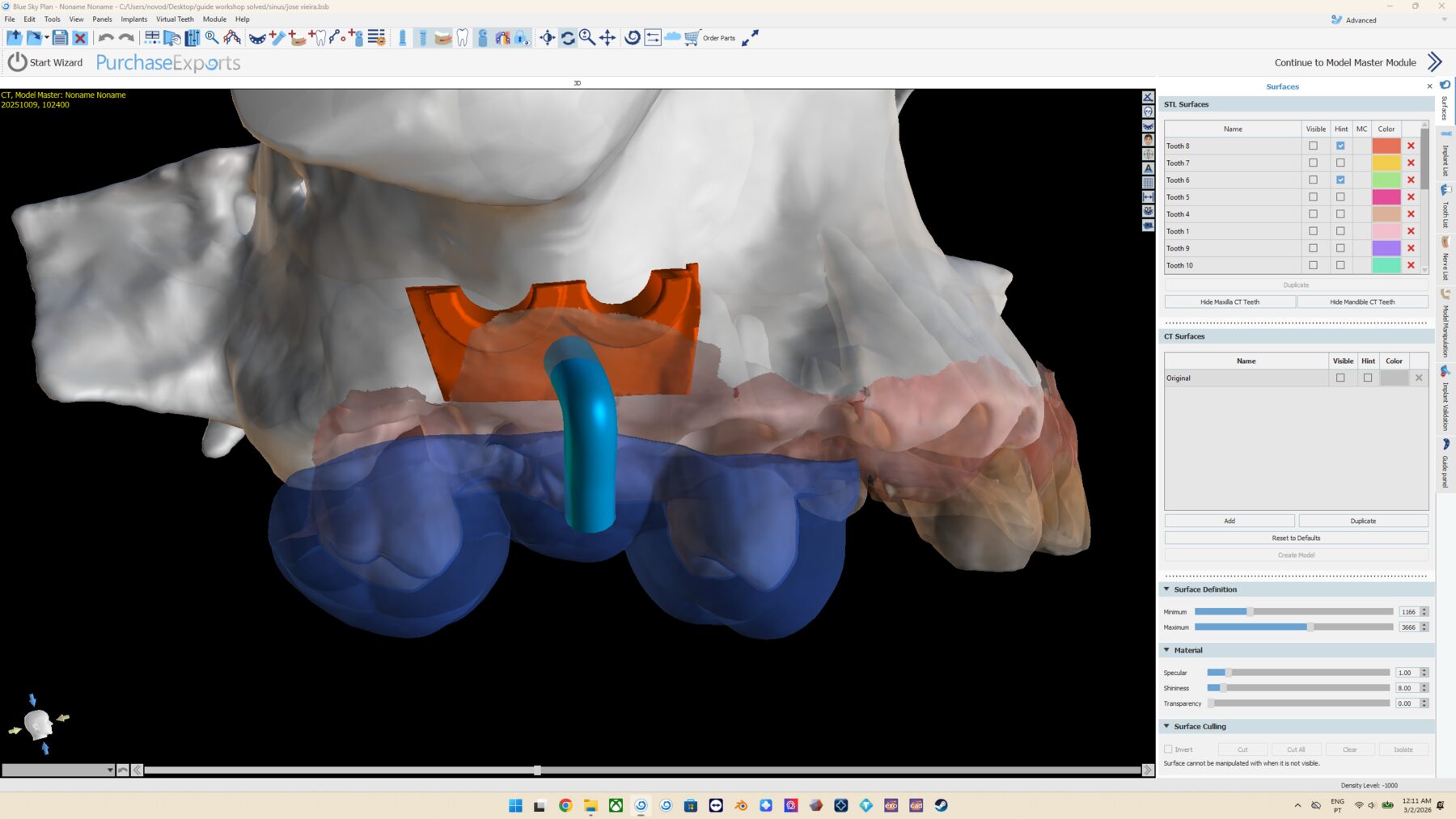
Fig. 06b · Guide design at the computer
Sheet 07 · Hands-on
Practise the techniquesfreehand and with guides
Apply the teaching on lifelike anatomical models. Each exercise includes demonstration and feedback. The practical sessions help you connect knowing the technique with understanding how to execute it.
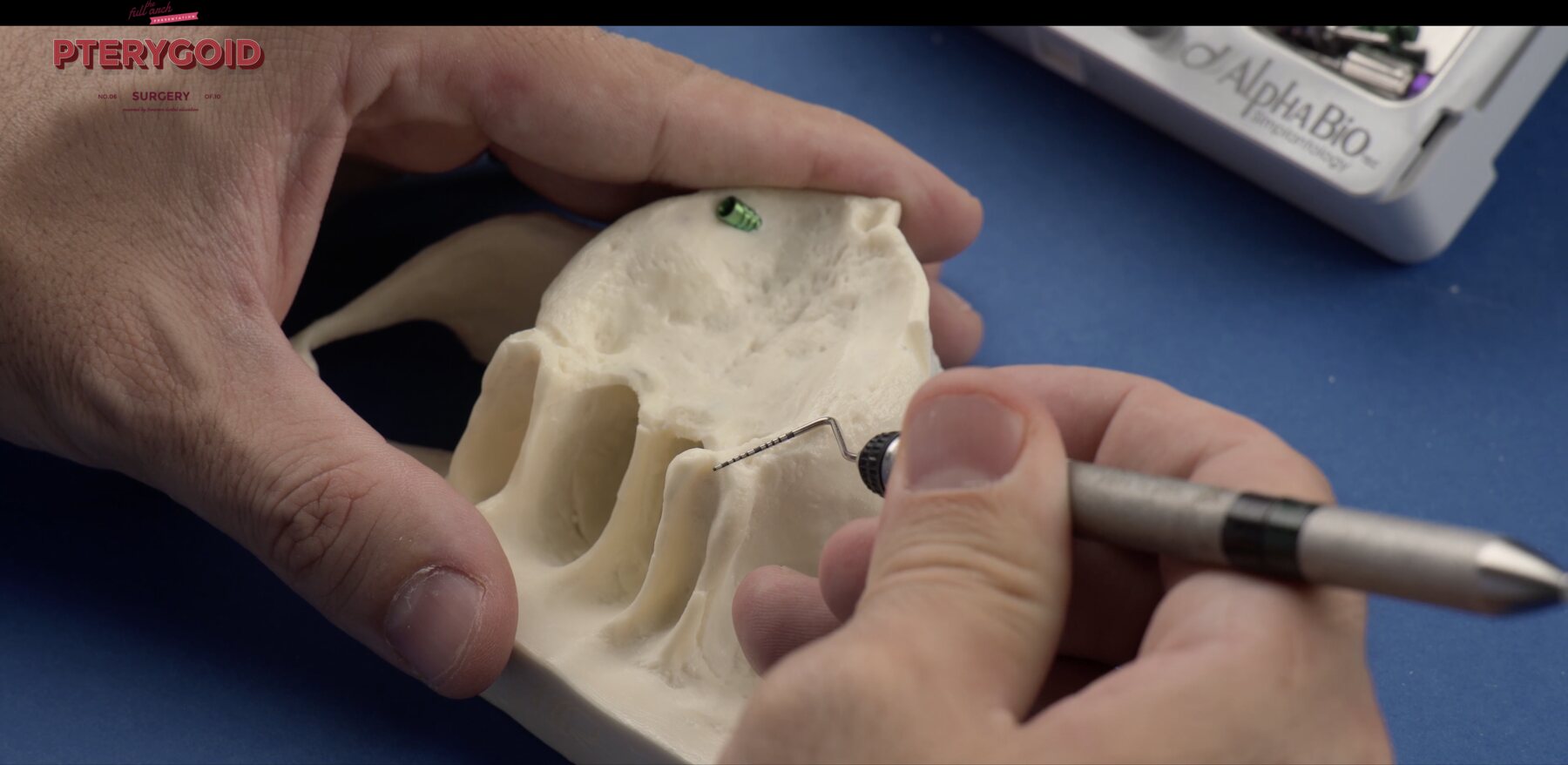
Fig. 07 · Pterygoid placement on a model
First · Freehand
Advanced configurations, freehand
Rehearse selected advanced implant configurations freehand, including palatal, pterygoid, trans-sinus, transnasal and zygomatic placement. Relate the scan to the model, identify the landmarks and work through access, entry and trajectory.
Then · With guides
Guided model surgery
Perform guided model surgery using bone level guides. Compare the planned positions with your execution and examine how guide seating, exposure and instrument access affect the procedure.
Sheet 08 · Live surgery
Follow two live casesfrom planning to surgery
Watch Pedro Moura treat two patients selected to demonstrate contrasting anatomy and treatment strategies.
The actual techniques demonstrated follow the selected patients’ clinical needs.
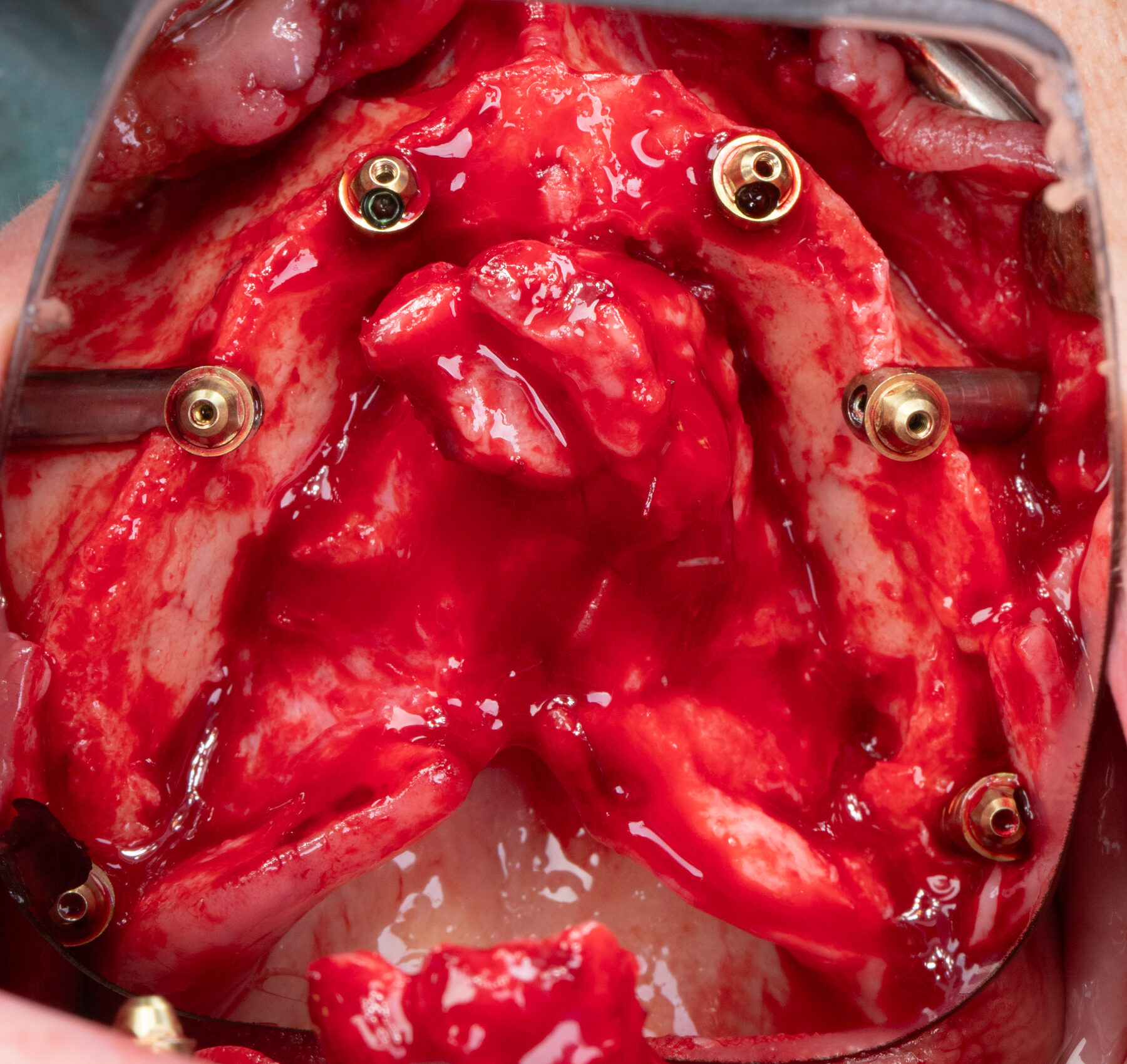
Fig. 08 · Live full-arch case
BEFORE
Review the patient’s history, imaging, restorative objectives and available options. Examine the chosen plan, guide preparation, instruments and anticipated difficulties.
DURING
Follow the operative sequence with explanations of the steps and decisions being made. Understand how the plan translates into the surgical field and how the team responds when the findings require an adjustment.
AFTER
Compare what was planned with what was performed. Discuss implant positions, any changes of approach and the postoperative and restorative pathway.
Sheet 09 · The team
See how the teammakes the treatment work
The live cases show the clinical organisation surrounding the surgery.
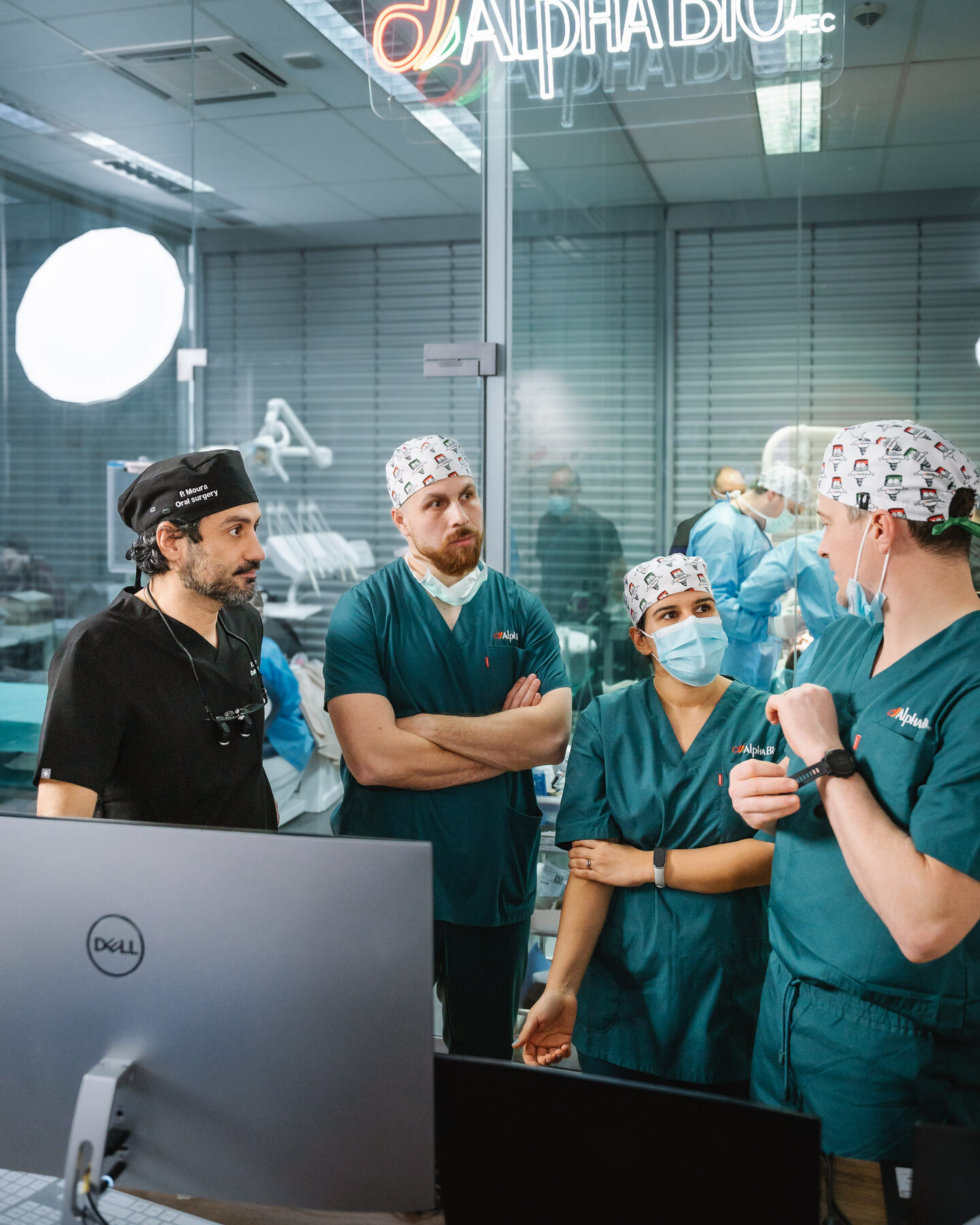
Observe how the team prepares the instruments and materials, coordinates the procedure and communicates the information needed for the restorative stages. Understand the practical details that support the operation, from preparation to the final checks.
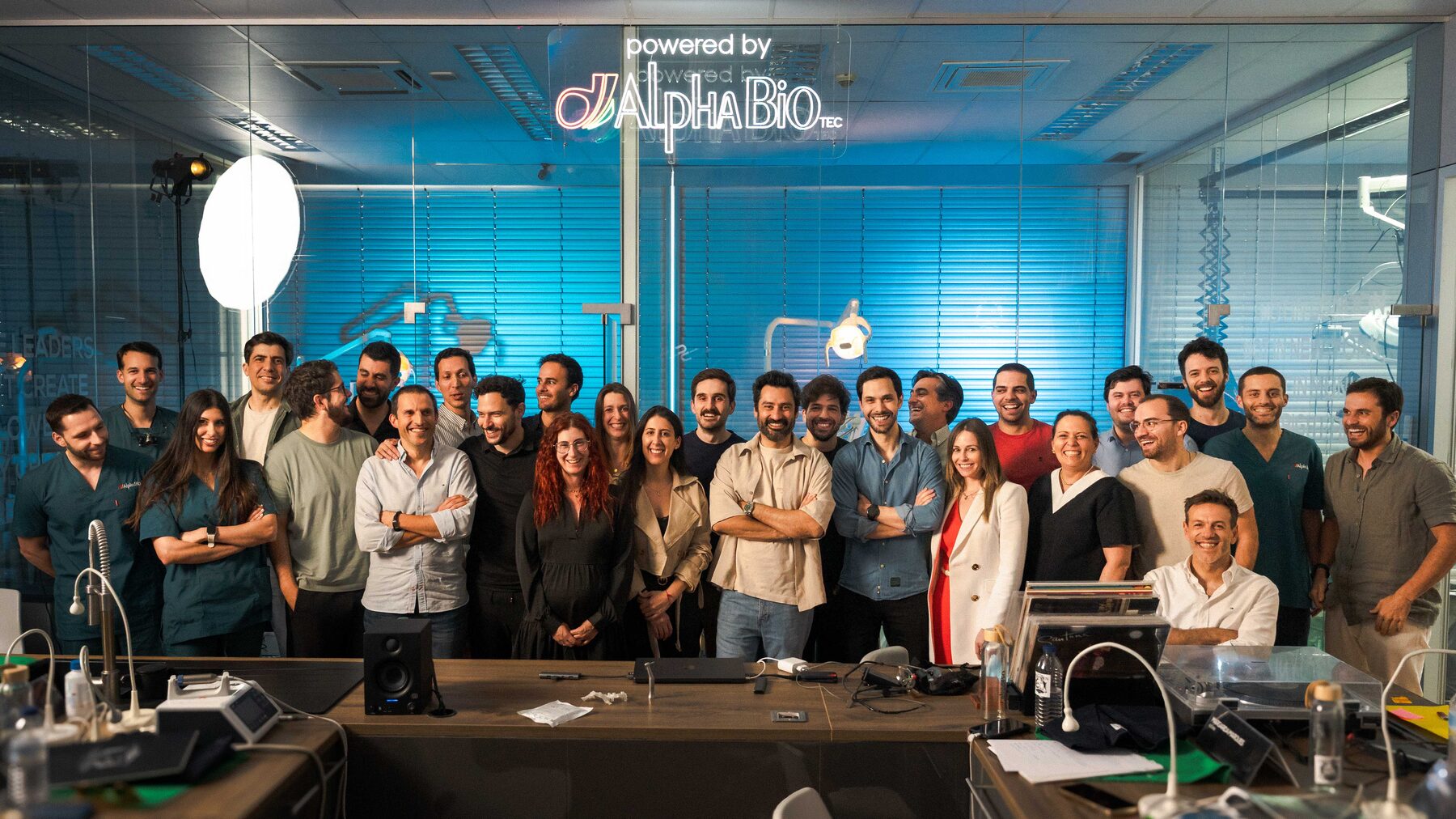
Train at Foramen Headquarters with the team who will also support you if you choose supervised patient surgery.
Sheet 10 · Restorative workflow
Connect the surgeryto the restoration
Plan implant placement around the rehabilitation you intend to deliver.
Understand how implant distribution, position, emergence and abutment selection influence the prosthetic stages. Discuss records, provisional treatment, delivery checks and the transition towards the definitive restoration.
Implant distributionPosition and emergenceAbutment selectionRecords and provisionalDelivery checksDefinitive restoration
Restorative teaching follows the course patients’ actual treatment stages, with documented cases and follow-up completing the pathway.
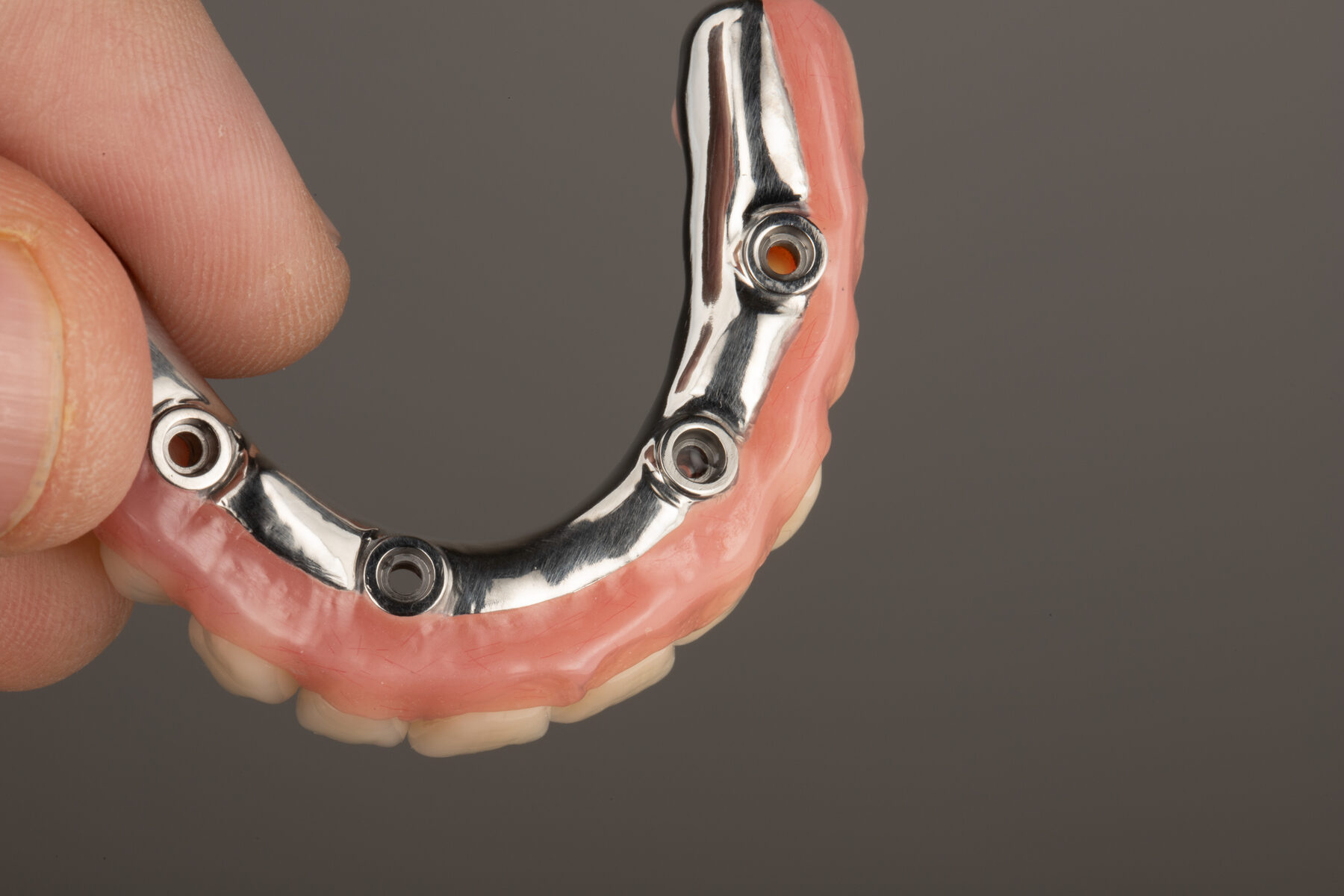
Fig. 10 · Full-arch framework
Sheet 11 · Complications
Anticipate complications. Avoid common pitfalls.Know what to do next.
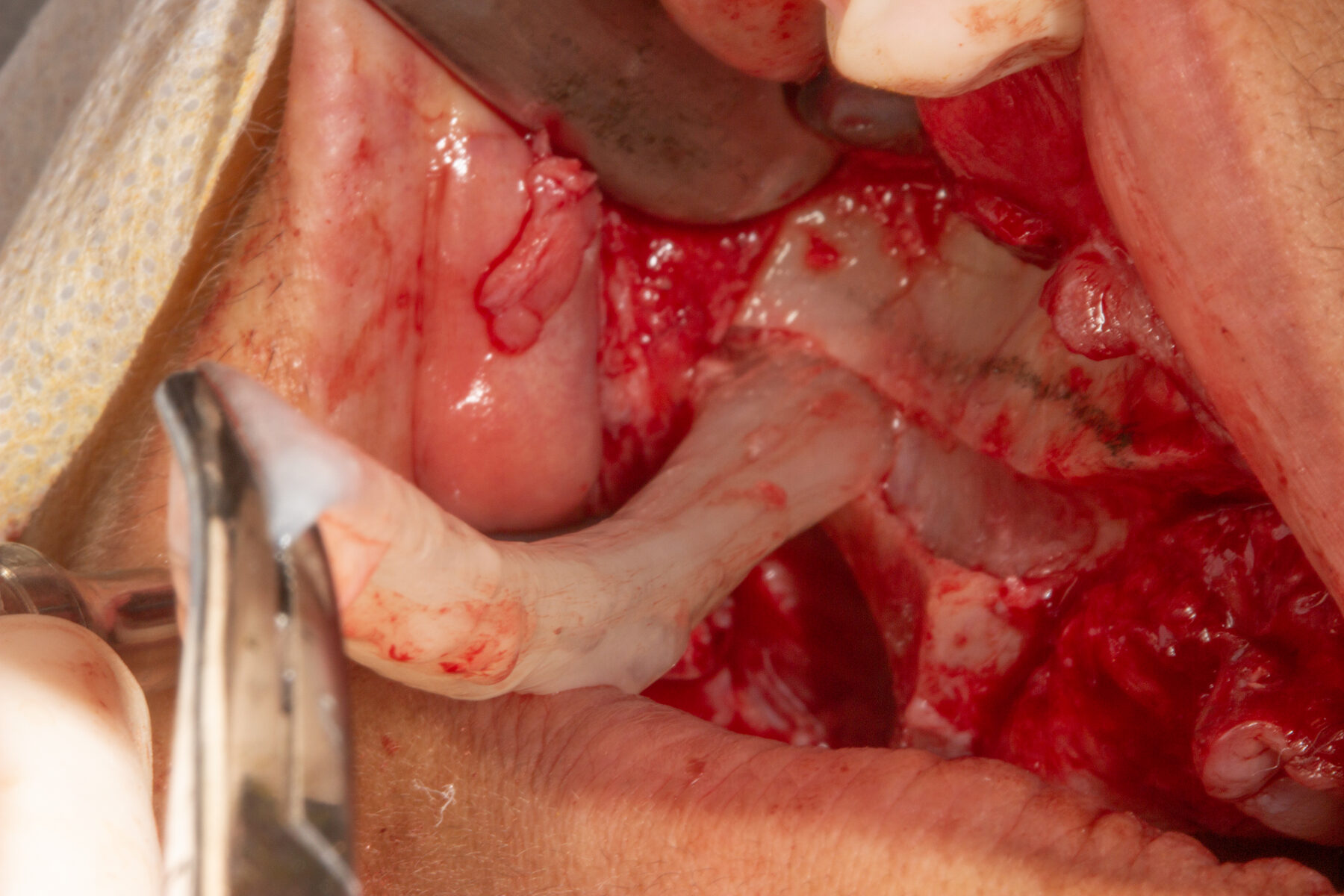
Fig. 11 · Real case review
Review complications through real clinical cases, examining how they developed, how they were recognised and how they were managed.
BleedingImplant malpositionInadequate stabilitySinus and nasal problemsSoft-tissue breakdownInjury to adjacent structuresProsthetic complications
For each approach, identify the most common pitfalls in assessment, planning, guide use and surgical execution.
Understand which checks and preventive measures can reduce risk, which warning signs require attention and when to change the plan. Then follow the next decision:
01
Monitor
02
Intervene
03
Revise or stage
04
Involve additional expertise
Medication, postoperative care and follow-up are discussed as part of each management pathway.
Sheet 12 · Programme
Your three daysin Porto
Day 1
Advanced techniques and freehand model surgery
The morning explores anatomy, imaging, case selection and the operative principles behind conventional and advanced full-arch strategies. Discuss palatal, pterygoid, trans-sinus, transnasal, vomer and zygomatic approaches, together with the role of subperiosteal implants.
In the afternoon, rehearse selected surgical techniques freehand on anatomical models, with step-by-step demonstrations and feedback.
Day 2
Guide design, guided model surgery and live surgery
Start with the computer workshop and design bone level guides. Apply the planning principles during guided surgery on lifelike models, including zygomatic and other advanced implant configurations.
In the afternoon, follow the first live patient procedure, from the planning discussion through surgery and the clinical debrief.
Day 3
A second live case, restorative workflow and complications
Follow a second live surgical case and compare its treatment strategy with the first. Examine how the anatomy and restorative objectives change the approach and execution.
Discuss the restorative stages, documented follow-up, complication prevention and management, common pitfalls and the decisions involved in revising or escalating treatment.
Day 4 · 23 Apr 2027 · Optional
You operate on a patient
Plan and perform an agreed patient procedure with Pedro Moura and the Foramen team. Receive direct mentoring throughout your allocated operative role and review the case afterwards.
By application only. 6 of the 20 places.
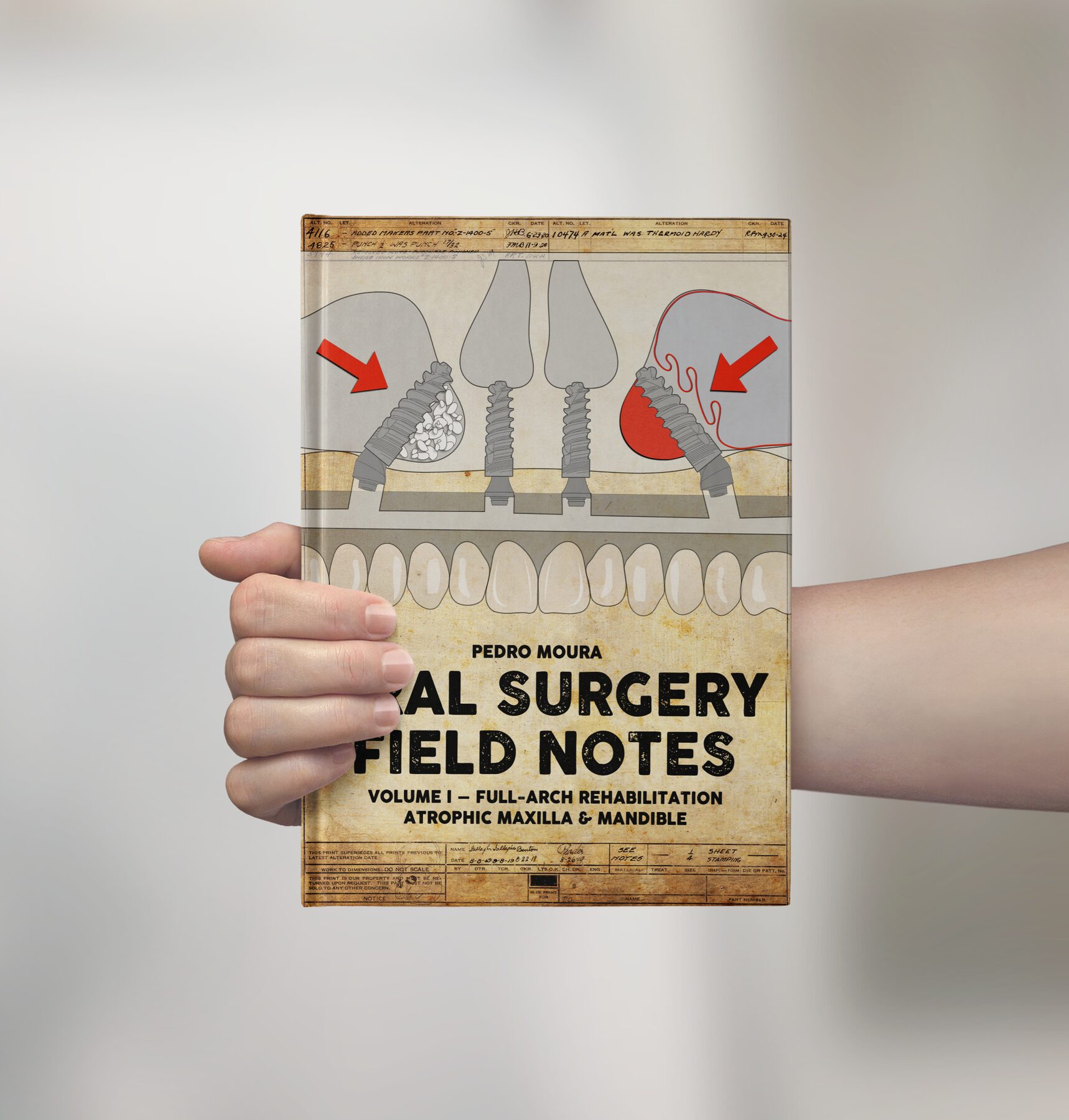
Fig. 13 · Oral Surgery Field Notes, Vol. I
Sheet 13 · Oral Surgery Field Notes
From the bookto the operating room
Oral Surgery Field Notes connects the concepts you study with the planning and surgery you experience during the course.
- Explore an anatomical principle
- Use it to select an approach
- Rehearse the procedure on a model
- Follow its application in a real patient
- Continue through your own supervised surgery
Receive your printed copy of Oral Surgery Field Notes on arrival if you do not already own it. Every participant also receives the printed manual for surgical guide fabrication.
Meet the course instructor
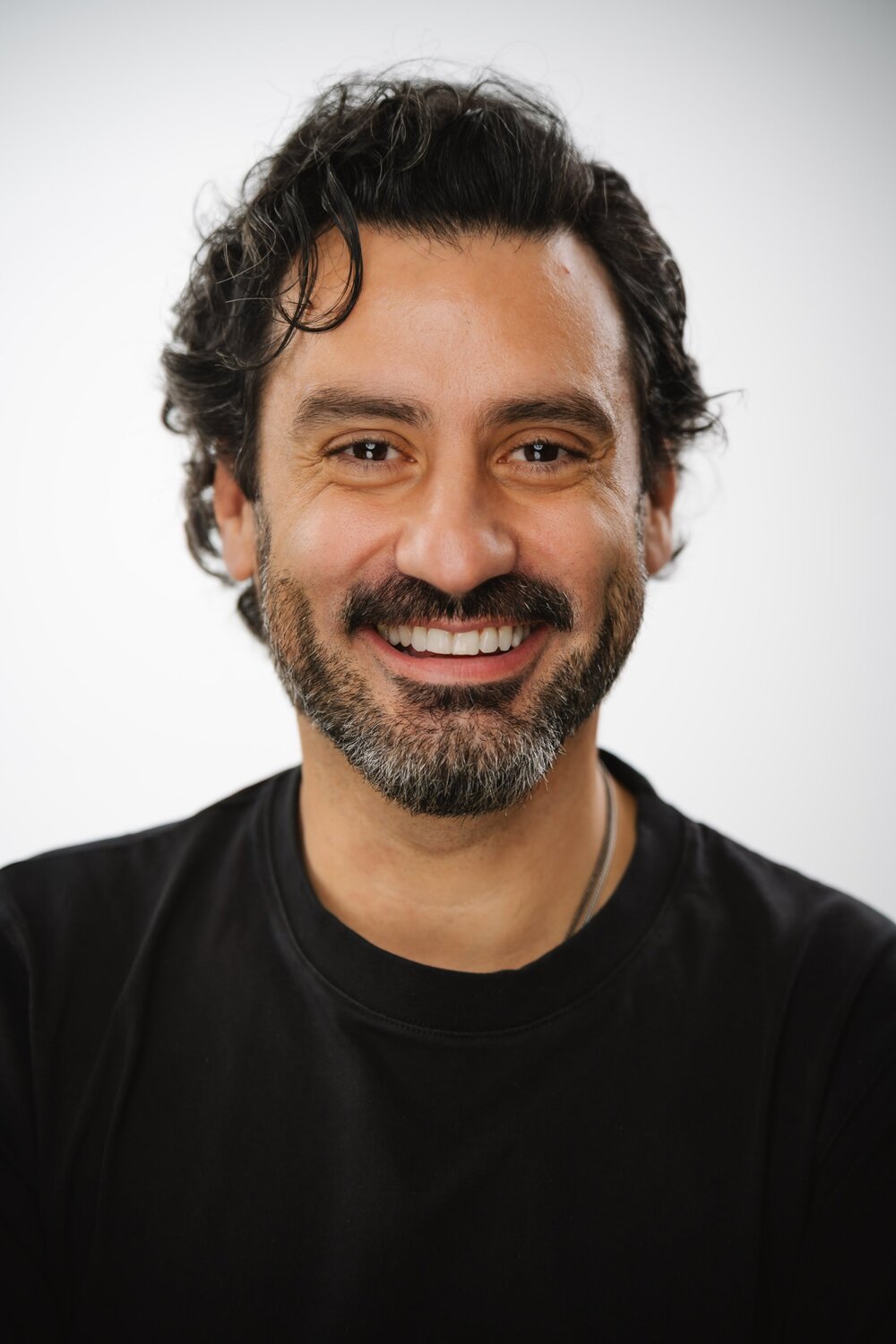
Dr. PedroMoura
Dental Surgeon | International Lecturer | Educator
Dr. Pedro Moura graduated in Dental Medicine in 2008, following an earlier degree in Clinical Psychology in 2002. He subsequently completed postgraduate training in Implantology and Periodontology.
His clinical work is mainly dedicated to advanced implant surgery, with a particular focus on complex full-arch rehabilitation, severely atrophic maxillae, sinus surgery, and soft tissue reconstruction. His experience includes pterygoid, palatal, trans-sinus, transnasal, and zygomatic implants.
In 2014, he founded Foramen Dental Education in Porto, Portugal, where he remains Academic Coordinator and directs its 10-month clinical residency in oral surgery and implantology.
International teaching has become a central part of his professional career. He has lectured in more than 30 countries worldwide and regularly delivers advanced surgical courses, hands-on training programs, and live surgery demonstrations throughout the year. His educational activities take him across Europe, the Americas, Asia, and the Middle East, working with clinicians from a wide range of backgrounds and levels of experience. Since 2023, he has been a Key Opinion Leader for Alpha-Bio Tec.
He is the author of Oral Surgery Field Notes – Volume 1 (2026), a practical surgical book featuring clinical protocols, original illustrations, and video demonstrations. He is currently preparing a second volume dedicated to maxillary sinus surgery.
Alongside his international educational activities, he continues to work in private clinical practice in Portugal, focusing on complex implant rehabilitation and advanced surgical procedures.
Who it is for
Is this the right coursefor you?
All-on-X Extreme is intended for clinicians with implant surgery experience who want to expand beyond conventional full-arch treatment.
If you already perform All-on-X, the course helps you connect advanced techniques with anatomical case selection, practical execution and restorative planning.
Previous conventional full-arch experience is recommended. Eligibility for supervised patient surgery is assessed separately.
What the core course includes
- Three days of advanced full-arch teaching and clinical discussion.
- Freehand surgery on anatomical models.
- Computer-based planning and bone level guide design.
- Guided surgery on lifelike resin models.
- Two planned instructor-led live surgeries, with case briefings and debriefs.
- Restorative workflow teaching and documented follow-up.
- Complication prevention and management: real-case reviews, common pitfalls, warning signs and step-by-step discussion of what to do next.
- A copy of Oral Surgery Field Notes if you do not already own it.
- A printed, step-by-step guide-fabrication manual.
Operating on a patient yourself is the optional Day 4, by application.
Questions before booking
Frequentlyasked questions
Yes. The course covers zygomatic anatomy, planning, operative principles and complications, with freehand and guided model exercises. Live procedures are selected according to the available patients and their treatment needs.
Yes. You work through a computer-based planning and bone level guide-design exercise. You also practise guided implant placement on anatomical models.
The practical programme focuses on selected conventional and advanced implant configurations. Vomer anchorage and subperiosteal implants are explored through teaching and clinical cases.
The course connects the restorative objective to surgical planning and subsequent prosthetic treatment.
Yes, on the optional Day 4 (23 April), by application. There are 6 places. Book the core course and send the Day 4 form on this page; we review your experience and, if accepted, agree a suitable procedure, your operating role and the fee.
Yes. Both options include Oral Surgery Field Notes if you do not already own it, plus the printed guide-fabrication manual.
A compatible laptop for the planning and guide-design workshop. Software and equipment requirements will be provided before the course.
Fig. 15 · Trans-sinus anchorage
Porto · Foramen HQ
Coursegallery


Field Notes Edition
All-on-X Extreme.
Learn it. See it. Perform it.
Take your next full-arch case further. Learn the advanced techniques, understand when to use them and practise their execution. Watch Pedro and the team work through real cases, and choose to perform surgery with us beside you.
Day 4 · 23 Apr 2027 · by application
Apply to operateon Day 4
Day 4 is for participants who want to perform surgery on a real patient with Pedro Moura beside them. There are 6 places per edition.
Tell us what kind of case you would like to do and what experience you have. It can be a conventional All-on-4 or a more advanced case. We review every application and reply by email. If you are accepted, we agree the procedure, your operating role and the Day 4 fee with you. You can book the three-day core course now and apply for Day 4 at the same time.
Step 1
Book the core course
Directly at checkout, no application needed.
Step 2
Send this form
The kind of case you want to do and your experience.
Step 3
We reply by email
If accepted, we confirm the case, your role and the fee.
Questions?
Have a question?Contact us
Not sure which pathway fits you, or want to know more before booking? Send us a message and we will get back to you.
- Address
- Rua de Santa Catarina 582
4000-446 Porto - Phone
- +351 962 075 456
(Cost of call for a Portuguese mobile network) - support@forameneducation.com